This spring is unusual (understatement!). There’s a good chance you are A) needing to follow a very tight budget because your retirement savings are tanking and/or B) recently recovering from freaky storms that crushed your garden and/or C) up to your eyebrows in existential stress and just can’t get your head wrapped around a spring garden makeover right now. I know the feeling(s). So if you can only bring yourself to buy one plant this spring, consider choosing from one of these 5 important choices that can do the most good right now..
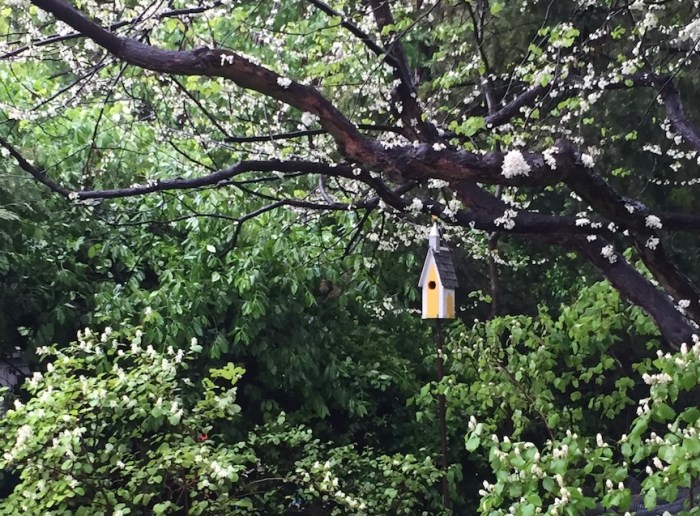
A spring garden in metro Toronto with a White Redbud (Cercis canadensis f. alba) in bloom.
1. If you only plant one big tree…
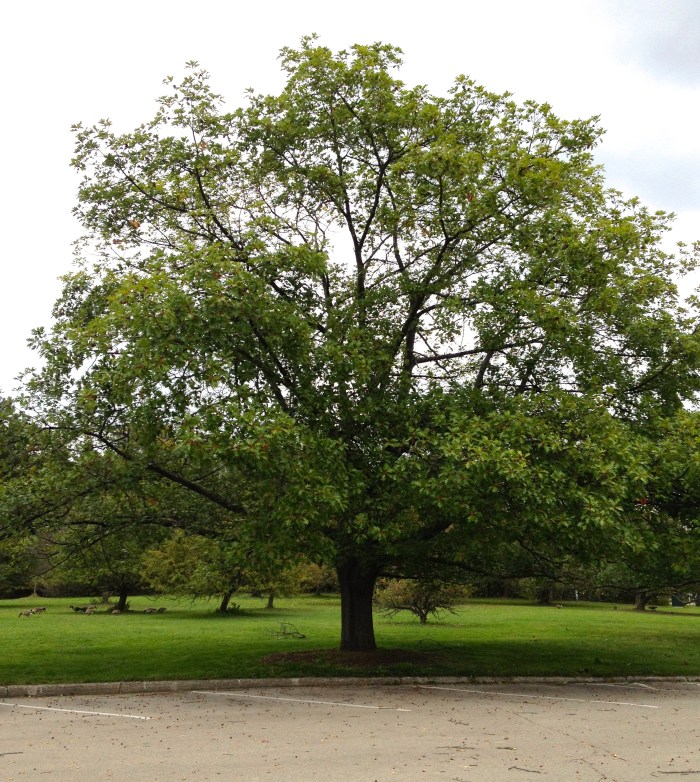
I will not be surprised if there’s a run on maple trees at garden centres in Canada this spring. After all, national pride is a big thing in this country right now. But aside from everyone ready with elbows up, there are three tree choices that can go really far in helping, if not our economy, at least our beleaguered wildlife.
By far the biggest pay-off (literally and figuratively) is the humble oak. Granted, you need a lot of space to grow one. But if you can pull it off, you’ll be helping to support 500+ species of moths and butterflies alone. Then there are all the birds and small mammals that call the oak home. Not to mention how great they are in urban areas: Canada has 10 native species of oak and they’re all remarkably tolerant of air pollution, poor soil drainage, drought and even compacted soil, so they’re often used in public landscaping projects, lining highways or casting leafy shade along a suburban street.
Two other great choices are willow and cherry. Between these three trees–oak, willow and cherry–together they host over 1400 species of wildlife. There are loads of other native and non-native trees that help support wildlife in one form or another but, all in, these three trees are the champions for supporting the largest numbers of wildlife.
2. If you only buy one (small) flowering tree, make it a redbud.
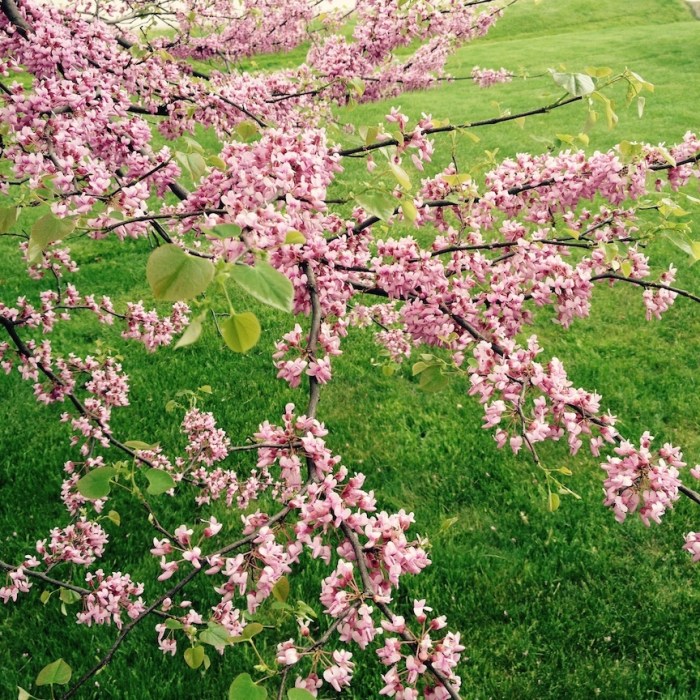
Our redbud in the front garden of our old home in Oakville, Ontario in May.
The Eastern Redbud (Cercis canadensis) is a boon to the garden and not just because it looks stunning when covered in vibrant pink blossoms in early spring. Redbuds are an understory tree so if you already have some big trees in your garden, a redbud is happy to nestle in underneath the larger canopy so long as it gets some sun each day. Although this smaller tree is only native to parts of Ontario, it can still deliver a whopping amount of help to wildlife in other parts of Canada.
The Xerces Society cites the redbud of special value to native bees, attracting large numbers of them, and critically, supporting bumble bees as well. The redbud is also a larval host for butterflies and moths, attracts other beneficial insects and provides nest materials and sites for birds (who, BTW, consider the larvae lunch).
3. If you only buy one large flowering shrub, make it a serviceberry.
Because the Canadian Serviceberry (Amelanchier canadensis) blooms so early in the season (usually April/May), it’s an important supplier of food to pollinators such as bees and butterflies. Later, the fruit attracts an impressive assortment of birds and other wildlife including orioles, cardinals, thrushes, woodpeckers, waxwings, robins, squirrels and chipmunks. And, if that wasn’t enough, the larvae of butterflies (including the swallowtail) love to munch on the leaves. Humans can indulge, too. The fruit is reportedly good for pies, jams and wine making the gorgeous serviceberry a poster plant for the edimental garden.
4. If you only plant one flowering perennial, make it goldenrod. Seriously.

I was shocked the first time I saw Goldenrod being showcased as an ornamental in gardens around England. I had always considered the plant an ugly weed. How wrong I was. Now I’m very definitely a lot older and perhaps the tiniest bit wiser–at least in the A Weed By Any Other Name department.
Sure, there are a gazillion plants out there that can do a lot for helping the environment and wildlife in particular. But Goldenrod has a special role that is now more important than ever.
We all know that Monarchs need Milkweed to survive. The problem is that Milkweed isn’t exactly easy to grow. I’ve heard various gardeners complain about how they tried to do their bit by planting Milkweed with disasterous results: they don’t like to be sown direct, their roots are easily injured if you started them indoors in pots, they are really, really susceptible to fungal diseases, and if you don’t get the moisture levels just right and maintained correctly throughout the growing season then you’re screwed.
On the other hand, if growing Milkweed is a no-go, you can still lend an important helping hand to the Monarch. Goldenrod blooms late and well into autumn when so many other flowers have faded so it provides a much needed last minute nectar source for Monarchs just before they hit the skies for their long, long journey south. For all the critters that stick around for winter, Goldenrod can be a boon, too. Birds raid the seed heads for nourishment long after any flower has disappeared.
CAVEAT: Canadian Goldenrod can be allelopathic meaning it sends out chemicals that inhibit the growth of other plants. Although this is quite an un-neighbourly characteristic, the plant shouldn’t be avoided. Grow a bunch in a large all-season pot to save your other plants and make a highlight of all those gorgeous golden sprays of bloom.
5. Whatever you buy, make it Grown In Canada.
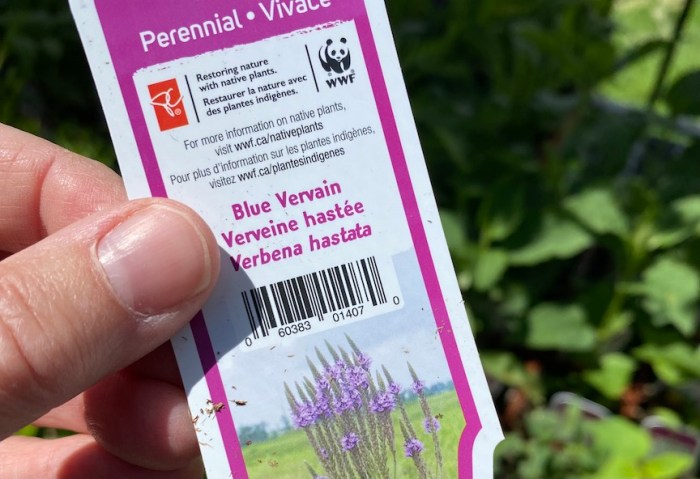
A tag from a plant sale at a pop-up garden centre at a Loblaws store in Owen Sound, Ontario.
Buying Canadian and buying local is another really big thing for us Canadians right now because, well, you know. Anyhoo, only buying plants raised in Canada can be another way to make a point. Unfortunately, this can be as challenging as buying ‘Made In Canada’ groceries. Trickier still are plants that are being promoted as a Native Plant. Many of these products were not grown in Canada and may not even be native to our part of the world. They’re just native to somewhere around here. Your best bet for buying native plants grown in Canada and conducive to your neck of the woods is to search out local nurseries specializing in local native plants. If you’re at a Canadian Tire store or a grocery store from a national chain, on the other hand, ask the sales attendant. If they say it’s imported, walk away.
Lots of garden centres offer ornamental (non-native to Canada) plants that were grown in Canada and there will probably be concerted marketing efforts pointing out the home-grown items this spring for obvious reasons. Keep in mind that several American plant brands also grow plants in Canada, too. Yes, some profits go back to U.S.-based companies but they also keep a lot of Canadians employed in the hort industry. For instance, all Proven Winners products sold through their Canadian online store are grown and shipped within Canada.


 Ministry of the fence
I’m your neighbor to the south, and I agree with this post! Many of us are doing our best to facilitate change, in both plant selection and politics. 😏
LikeLiked by 1 person
Well said, neighbour! Thank you so much for your uplifting comment.
LikeLiked by 1 person