Want to put a little vavoom in your veg patch? Whether you’re planning on installing a whole new garden or simply wanting to renovate an existing one, these 11 ideas I’ve discovered while snooping in all kinds of public and private gardens will have you dreaming big.
1. Try a new angle

The distinctively angled crop rows in the vegetable garden at Chanticleer in Pennsylvania, USA.
The vegetable garden at Chanticleer is probably not unlike a lot of others you may have seen except for one dramatic exception. All the rows have been dug in at an angle to the central path that runs the length of the garden and point in parallel to the arched gate at the far end (seen at top centre in the photo above). This really simple idea makes for a surprisingly big impact. All the plants are just as accessible as they would be if they were all perpendicular to path and fencing. But entering this space is like participating in a bit of vegetable theatre. As you walk down the central path, the rows seem to ripple past you in eddies.
If you love the idea of planting with a pattern in mind, check out parterre gardens, too. A terrific option for herbs and small vegetable crops, the parterre style of gardening can take you to new levels of formal and/or fantastical garden design.
2. Make an entrance

This vine-covered double arch with trellised walls and gate lead to an enclosed garden at a private home in a woodland setting north of Toronto.
Fencing in a vegetable garden is always a good idea. From deer to dogs and children on the loose, the potential for damage to your crops is out there. But however you choose to enclose yours, why not make the entrance extra special. The thing about entrance areas is that even if the fencing and garden itself are relatively humble, the entrance provides a terrific opportunity to give the whole thing some flair. The quirkier the better, in my opinion. (See Idea #6 for more inspo.)
3. Blur the lines
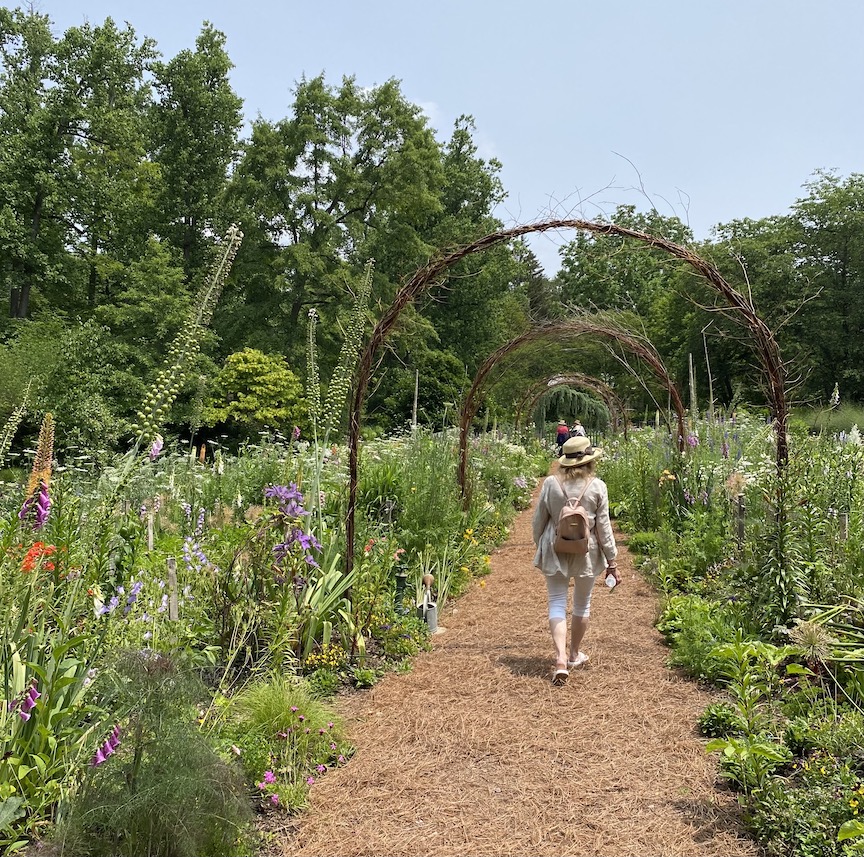

The cutting garden at Chanticleer with a central path leading to the vegetable garden beyond.
Above are two views of the wonderfully romantic Cutting Garden at Chanticleer. The central path of this garden leads directly to and continues into the vegetable garden beyond (see Idea #1) making for a nice link between the two gardens. That in itself is a great idea if you want a strong visual tie between your own veggie garden and your ornamental garden. But if you’ve only got room for one garden, why not blur the lines between veg patch and flower garden by growing edibles and ornamentals in one glorious garden? That’s actually what Chanticleer’s Cutting Garden does. Tulips, zinnias, celosias, chrysanthemums and foxgloves grow in lush swaths here but adding just as much colour and texture were cabbages, Swiss chard and kale. Herbs sprouted everywhere, too. The entire thing amounted to a sensory explosion of sights and scents.
4. Go big with plans and paths
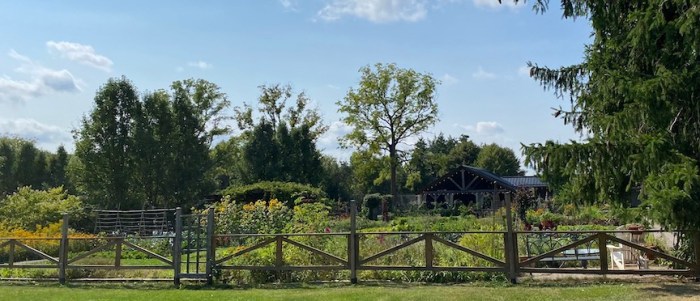
A view from outside the huge vegetable garden at Langdon Hall in Cambridge, Ontario.
Langdon Hall, a luxury boutique mansion house hotel in southwestern Ontario, is extraordinary in so many ways but the property’s vegetable garden has to be my favourite feature. For one thing, it is humungous. That’s not why it’s in this list, though. The garden design here goes big in ways that any gardener, regardless of their garden’s size, can copy. One of the easiest is in the proportion of bed to path. Langdon Hall’s vegetable beds are big enough to support crops that ultimately supply the kitchen that turns out countless meals at the hotel’s very popular restaurants. So, we’re talking big beds. But the turf-covered paths that separate the beds are even bigger. The luxury of space is, indeed a luxury. It’s also a wonderfully simple way of elevating a vegetable garden from working plot to pleasure garden.
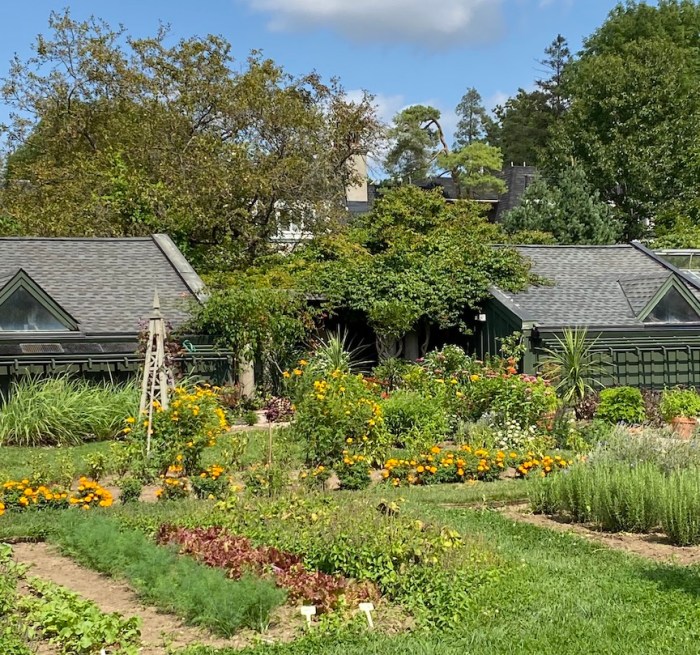
A distinctive feature of Langdon Hall’s vegetable garden is the extra wide spaces between beds.

Langdon Hall’s vegetable garden seems to have been designed as much for pleasurable viewing as for actually growing edibles.
5. Pump up the colour

Edible flowers add glorious colour to the vegetable garden at Langdon Hall.
At the height of the season vegetable gardens start vibrating in rude health. You’ve got every shade of green from sage to lime. This is wonderful, of course. However, do consider pushing this wonderfulness right over the top. Add flowers. Of course, loads of flowers make great pest-fighting companion plants for veggies (here’s looking at you, Marigold). And plenty are also equally edible. But even if you’re not into edible flowers, add some flowers any way.
6. Pick a theme and go nuts

A huge rustic archway design heralds the vegetable garden at a private home north of Toronto.
Choosing a design theme for a vegetable garden isn’t necessary but it sure can be a whole lot of fun and certainly makes decisions about the style of fencing or the gate, for instance, a lot easier. Cottage and minimalist (see Idea #7) are classic options. Another popular style is Farmhouse Rustic as seen above and below. What I love about this garden is that there is a strong design theme at work, for sure, but the owners didn’t let that theme stop them from busting out one seriously wild idea. You really are only limited by your imagination. Never let a style get in the way of letting your freak flag fly.

A closer look at this amazing archway.
7. Clean and simple can be beautiful, too

What a vegetable garden can look like when you’re into clean minimalism. Photographed at a private home near Gananoque, Ontario.
This vegetable garden, shown above and below, is a symphony of simplicity. Clean lines. Ease of maintenance. And no aching backs. But even though the result is minimalism at its best, this garden design is still sympathetic to its countryside surroundings. Warm wooden frames around the corrugated raised beds lend a farmhouse feel and a vintage barrel is almost sculptural even as it works as a great place to set down tools.
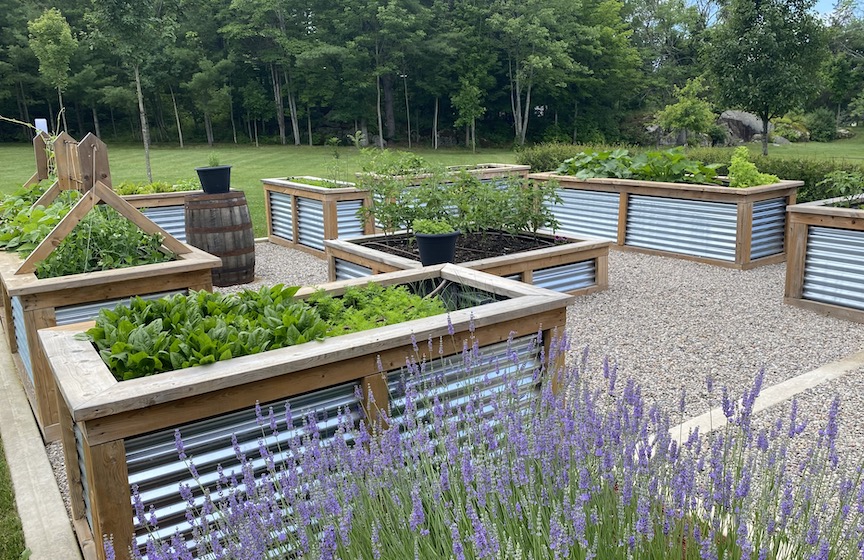
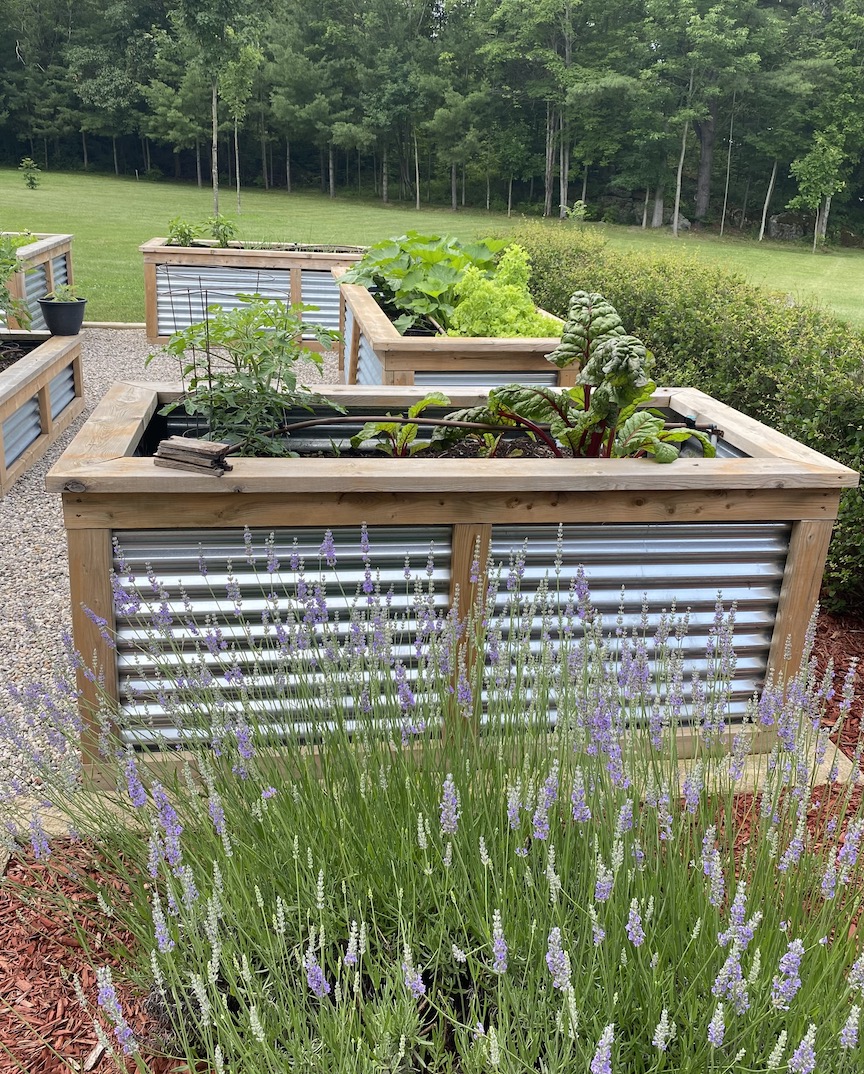
The design of this vegetable garden took everything from crop choices to watering into account.
8. If squares aren’t your thing

Crescent-shaped beds form a circular vegetable garden at a private home in Gananoque, Ontario.
Happily, there are no rules when it comes to creating a vegetable garden. Well, having good soil and access to water is helpful. But, what the thing looks like is entirely up to you. This circular design is as handsome as it is practical. There’s plenty of room to get at the plants easily and the crescent-shaped beds encircling the tree adds a nice touch of formality.
9. Use your front garden
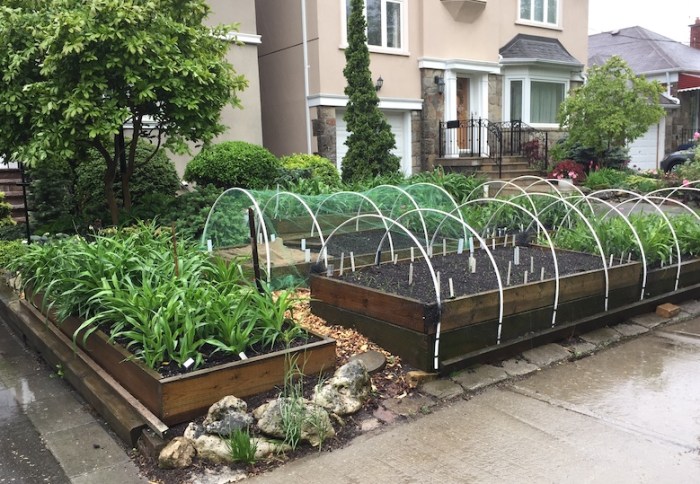
Raised vegetable beds in the front yard of a home in Toronto.
Granted, your neighbours may have an opinion about installing vegetable beds in your front yard. But how could anyone have a problem with this neat garden? Besides, our latest existential attitude adjustment melding edibles with ornamentals makes edimentals very much a thing now. You can have a gorgeous looking front garden that, occasionally, you trim for salad makings at dinner. Consider it harvesting beauty.
10. Try just one bed

An extra long raised bed at a country home outside of Gananoque, Ontario.
Here’s a great budget-wise idea. Rather than make a bunch of raised beds for your veggie patch, just make one really long bed. Less materials used. Same easy accessibility to your plants. This is also a great solution if you want to spend less time building beds and more time growing things. I feel you.
11. Put the party in the middle of your plants

A fire pit and seats made of up-ended logs in the midst of raised veg beds and ornamental borders in Gananoque, Ontario.
Relegating your veggie patch to the far corner of your garden is so last year. (Unless you really, really like that back corner in which case garden on!) If you’re thinking of adding a new vegetable patch to your garden this year, think about putting it smack dab in the middle of everything else. These days the lines are blurred as to where ornamentals and veggies should be (see also Idea #3) and where to plonk yourself down at the end of the day for that chilled martini.

Seating set at one side of the large vegetable garden at Langdon Hall, Cambridge, Ontario.
What could be better on a golden summer’s afternoon than to sit with someone, enjoy the sights and scents of flowers, leaves and warmed earth and then lean over and pluck a baby cucumber to stir your Pimm’s Cup. Sometimes life can all come together in one big, beautiful moment.


 Ministry of the fence